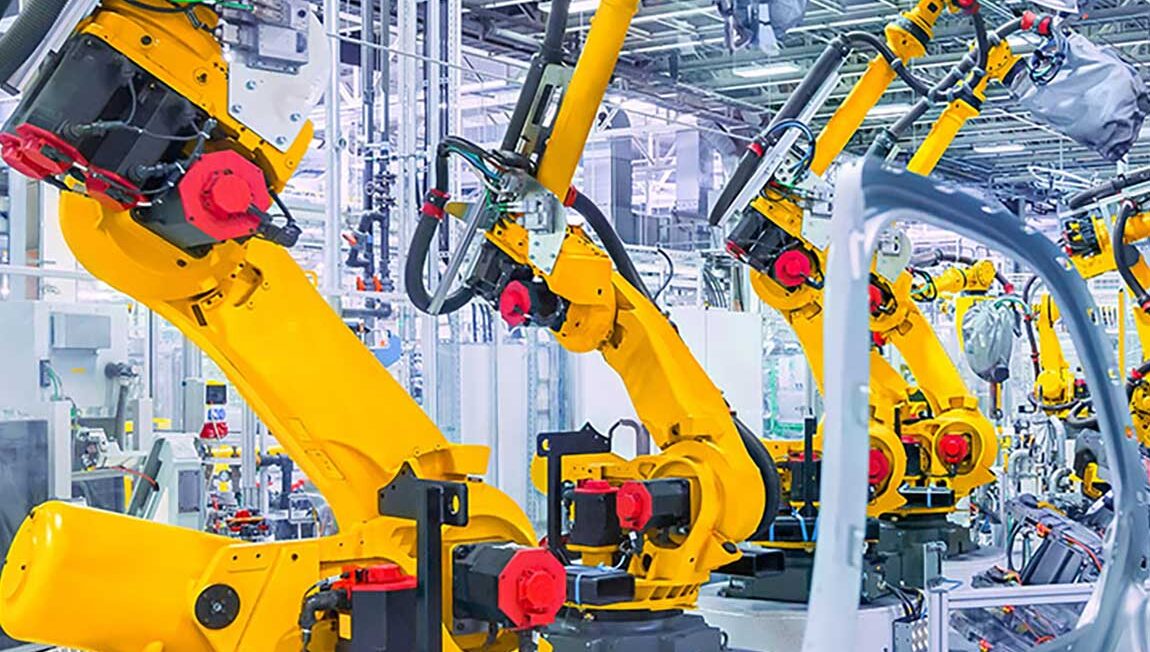
If you’re comparing a conveyor system vs. sortation system for your warehouse, you’ve probably hit a point where manual handling can’t keep up anymore. Maybe your order volume is climbing, your SKU count is growing, or product keeps backing up at the same station because workers can’t move or sort it as fast as it comes in. Both systems move product faster than people can carry it by hand, but they solve different problems. This guide breaks down what each system does, how they differ, and how to decide which one, or which combination, fits your operation.
What Is a Conveyor System?
A conveyor system is a set of connected components that moves product from one point to another without anyone having to carry it. Picture a moving surface, belt, rollers, or slats that carries boxes, totes, or loose product across your warehouse floor. The main job of a conveyor is transportation: getting items from receiving to storage, from storage to packing, or from packing to the dock.
Conveyor systems for warehouses come in a range of styles, and the right one depends on what you’re moving and how fast you need it to travel. Some setups run on gravity alone. Others use motors to keep product moving at a set speed, even on an incline. Before you start planning a custom conveyor layout for your warehouse, it helps to understand the different types available.
Warehouse Conveyor System Types
Here are the most common types you’ll run into:
- Belt conveyors: A continuous belt loop, good for flat-bottomed items and mixed loads.
- Roller conveyors: A series of rollers, often gravity-fed, that work well for boxes and totes with sturdy bottoms.
- Slat conveyors: Interlocking slats built for heavier or irregular loads.
- Accumulation conveyors: Designed to hold product in place temporarily without jamming, useful for buffering between processes.
Each type solves a different handling problem. A single warehouse might use two or three types together, depending on where product needs the most control along the line.
What Is a Sortation System?
A sortation system does more than move product; it decides where that product goes. Once an item is scanned or identified, the system routes it to the right destination: a specific shipping lane, a consolidation point for a multi-item order, or a return bin for processing. Where a conveyor simply carries, a sortation system makes a decision at nearly every point along the line.
Automated sortation systems for warehouses are especially useful when you’re dealing with multiple outbound destinations at the same time, such as separate carriers, stores, or customer orders. Instead of a person checking labels and diverting boxes by hand, an automated sortation system reads a barcode or RFID tag and then triggers the appropriate piece of equipment (a diverter, pusher, or tilt tray) to move the item into the correct lane. That control layer is what lets a sort line handle thousands of items an hour with very little human input. If your team spends a lot of time hand-sorting orders, a dedicated sortation setup usually pays for itself fast in labor hours saved.
Conveyor System vs. Sortation System: Key Differences
A conveyor moves product. A sortation system routes it. But the practical differences go deeper than that.
| Factor | Conveyor System | Sortation System |
|---|---|---|
| Main job | Moves product from point A to point B | Routes product to the correct destination |
| Decision-making | None, or very limited | Built in, based on scans or sensors |
| Typical cost | Lower upfront investment | Higher upfront investment |
| Best for | Single-path or simple flows | Multi-destination, high-SKU operations |
| Labor impact | Reduces carrying and walking | Reduces manual sorting and checking |
When you’re doing a material handling system comparison, cost is only part of the picture. You also need to weigh how much manual decision-making is happening on your floor right now, since that’s usually the clearest sign of which system will help the most.
When to Use a Sortation System (and When a Conveyor Alone Gets the Job Done)
A sortation system is worth the investment when you’re routing product to more than a couple of destinations, or when order accuracy depends on getting items to the right spot without someone double-checking every box. Common triggers include:
- High SKU counts moving through the same area
- Multiple outbound carriers or shipping lanes
- E-commerce order spikes that overwhelm manual sorting
- Returns processing, where items need to go to several different outcomes, like restock, repair, or discard
On the other hand, a conveyor system on its own is often enough if your warehouse has a simpler flow, moving product from one station to the next without multiple branching paths. If you’re working with a smaller facility, a tighter budget, or a single-destination process, adding sortation on top of a conveyor system might be more automation than you actually need right now. Many warehouses start with conveyor only and add sortation later, once volume or SKU complexity grows enough to justify it.
How to Make the Right Material Handling System Comparison for Your Warehouse
Before you commit to either system, walk through a few practical questions:
- How many destinations does product need to reach? If it’s one or two, a conveyor may cover it. If it’s several, you will likely need sortation.
- What’s your order volume trend? If orders are climbing steadily, plan for the system that scales, not just the one that fits today.
- How many SKUs are moving through this part of your operation? More SKUs usually means more sorting decisions, which favors automation.
- What’s your current labor cost tied to manual handling and sorting? Compare that ongoing cost against the upfront investment in equipment.
- What’s your facility layout? Available floor space and ceiling height affect which system, or combination, will actually fit.
Most warehouses that scale past a certain size end up running both systems together as part of broader warehouse automation systems, using conveyor to move product and sortation to route it once volume and complexity make manual handling too slow or too error-prone.
FAQs on Warehouse Conveyor and Sortation Systems
Is a sortation system just a type of conveyor system?
Not exactly. Sortation systems often use a conveyor as the physical base, but the sorting equipment adds scanning and routing logic on top of it. A conveyor by itself has no way to decide where product should go next.
Can I add sortation to an existing conveyor system?
In many cases, yes. If your conveyor system was built with future automation in mind, you may be able to add sortation equipment without rebuilding the whole line. It depends on your current setup and layout.
How much does a sortation system cost compared to a conveyor system?
Sortation systems generally cost more upfront because of the added scanning, sensor, and control components. The right comparison depends on your labor savings and order volume, not just the price tag on the equipment.
Do small warehouses need sortation systems?
Not always. Many smaller operations run efficiently on conveyor alone, especially with a simple flow and few outbound destinations. Sortation tends to make more sense as SKU count and shipping complexity grow.
What’s the first step in choosing between the two systems?
Start by mapping your current flow: how many destinations product needs to reach, how much manual sorting is happening, and where your bottlenecks are. That picture usually points toward the right system.
Getting Expert Guidance on Your Warehouse Automation Systems
Choosing between a conveyor system vs. sortation system, or deciding to combine both, comes down to your specific volume, SKU count, and layout. There’s no single right answer for every warehouse. If you want a second set of eyes on your setup, reach out to our team for a quote, and we’ll help you sort out what actually fits your operation.