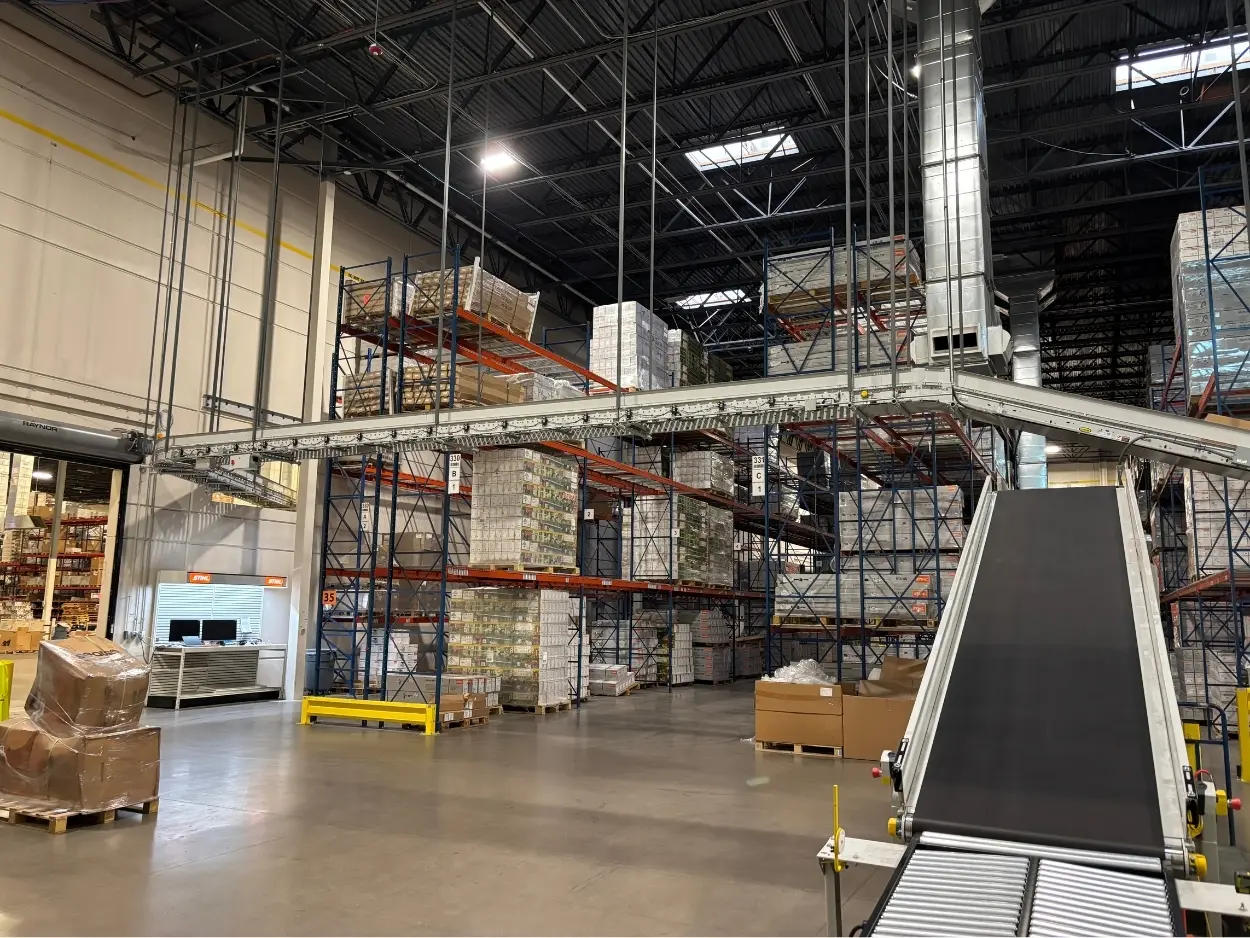
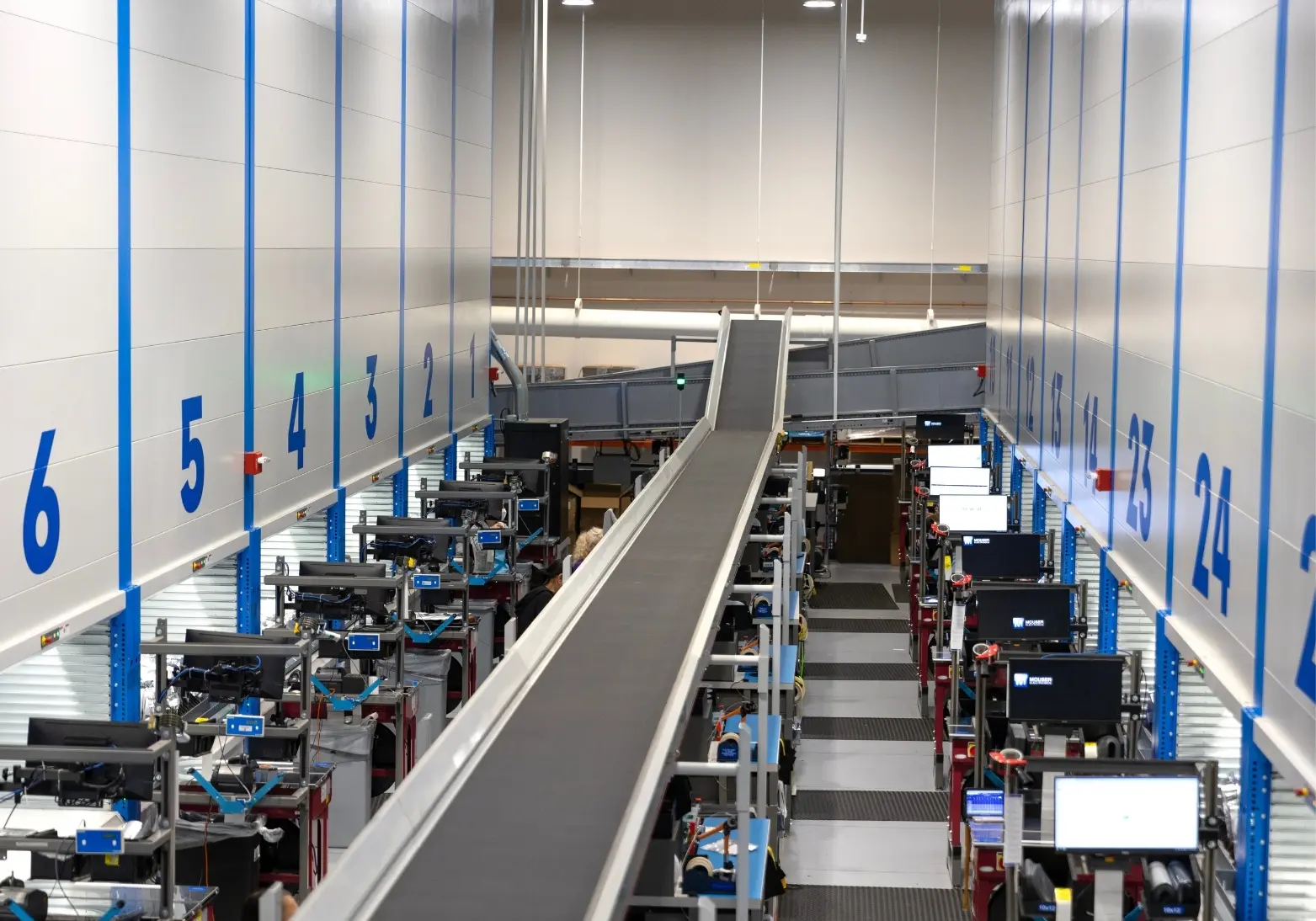
Pallet racking is the backbone of almost every warehouse operation. The right racking layout directly affects how efficiently products move, how safely employees work, and how well a facility can scale over time. With so many pallet racking types available today, choosing the best option requires more than picking what fits on the floor.
In this guide, we’ll explain what pallet racking systems are, why different warehouse racking types matter, and how to evaluate the types of racking systems in a warehouse so you can make a smart, long-term decision.
What Is a Pallet Racking System and Why Does It Matters in Modern Warehouses
What are pallet racking systems? In simple terms, pallet racking systems are engineered steel storage structures designed to hold palletized goods, cartons, and mixed loads in an organized and accessible way. These systems form the foundation of many warehouse storage layouts, allowing inventory to be stored vertically and retrieved efficiently using forklifts or other material handling equipment.
Pallet racks support everything from full pallet loads to case-pick and each-pick operations. When designed correctly, they improve space utilization, protect products from damage, and create predictable, efficient material flow throughout the facility.
Choosing the right pallet racking system has a direct impact on safety, storage capacity, labor efficiency, and operating costs. This is why many facilities work with specialists like Precision Warehouse Design for expert layout planning, engineering, and installation support to ensure racking systems are optimized from day one.
Key Benefits of Choosing the Right Warehouse Racking Types
Selecting the appropriate warehouse racking types delivers measurable operational benefits.
Well-designed pallet racking systems improve vertical and horizontal cube utilization, allowing warehouses to store more inventory within the same footprint. This is especially important as real estate and construction costs continue to rise.
The right racking layout also reduces travel time for forklifts and pickers. Shorter travel paths and better slotting lead to faster picking, smoother material flow, and improved order accuracy.
Safety is another major advantage. Properly designed racking reduces product damage, minimizes congestion, and supports safer working conditions for operators and pedestrians alike.
Evaluate Your Warehouse Operation Before Choosing Pallet Racking Types
Before selecting from the many pallet racking types available, it’s essential to understand your operation’s specific requirements.
Inventory Profiles, SKU Velocity, and Picking Methods
Start by evaluating the number of SKUs you store and how quickly they move. Fast-, medium-, and slow-moving products often benefit from different storage strategies. Proper SKU slotting based on product attributes and velocity is essential. Placing the right items in the right pick locations improves workflow and increases overall warehouse efficiency.
Consider whether your operation primarily handles full pallets, case picking, or each picking. Facilities with high case-pick volumes may need racking systems that support efficient access at lower levels.
Inventory flow is also critical. Some types of racking systems in a warehouse support FIFO (first-in, first-out) inventory rotation, while others operate on a LIFO (last-in, first-out) basis. Seasonality and demand spikes should also factor into the design.
Be sure to consider SKU selectivity needs. Some dense pallet racking solutions store many items, but may not be the right solution if you need full SKU access and selectivity. Many times a warehouse solution is a mix of pallet racking types that fit the customer SKU and order profiles.
Pallet Sizes, Load Weights, and Building Constraints
Pallet size, load weight, and load height all influence rack design. Standard pallets are easier to accommodate, but non-standard pallets or oversized loads may require custom solutions.
Building constraints matter just as much. Ceiling height, column spacing, sprinkler clearances, flue space requirements, and floor slab capacity all play a role in determining which warehouse racking types are feasible.
Types of Pallet Racking Systems and When to Use Each
There are several common pallet racking types used in modern warehouses. Each option involves trade-offs between selectivity, storage density, throughput, and cost. Understanding these differences helps ensure you select the system that best fits your operation.
Selective Pallet Racking Systems
Selective pallet racking is the most common and versatile option. It provides 100% pallet selectivity, meaning every pallet can be accessed directly without moving others.
This system is easy to reconfigure as inventory profiles change and is typically the lowest-cost option to install and maintain. Selective racking works well for warehouses with many SKUs and moderate storage density requirements. Warehouse designs are customized depending on the building constraints and type of forklifts that will be used.
Double-Deep Pallet Racking
Double-deep pallet racking stores two pallets deep from the aisle, increasing storage density compared to selective racking.
Because the second pallet is not directly accessible, this system reduces selectivity and requires reach trucks. Double-deep racking is best suited for medium-turn SKUs with multiple pallets per item.
Drive-In and Drive-Through Pallet Racking Systems
Drive-in and drive-through racking systems offer very high-density storage by eliminating aisles between racks. Forklifts drive directly into the rack structure to place and retrieve pallets.
Drive-in systems operate on a LIFO basis, while drive-through systems allow FIFO inventory flow. These pallet racking types are ideal for bulk storage of a limited number of high-volume SKUs where selectivity is less critical. This solution is very common in the Food and Beverage industry where production lines are producing continuous pallets of the same SKU. This type of storage requires special design considerations because forklifts must safely enter the rack structure and operate within it.
Push-Back Pallet Racking Systems
Push-back racking uses nested carts on inclined rails to store pallets multiple positions deep. When a pallet is loaded, it pushes the previous pallet back; when removed, pallets roll forward automatically.
This LIFO system provides higher density than selective racking while maintaining faster access than drive-in systems. Push-back racking works well for medium-turn inventory with two to six pallets per SKU.
Pallet Flow and Carton Flow Racking Systems
Pallet flow racking uses gravity-fed lanes to move pallets from the loading side to the picking side, supporting FIFO inventory rotation. This makes it ideal for high-throughput and date-sensitive products.
Carton flow racking supports efficient case picking at lower levels, with pallet storage above. Together, these systems help balance storage density with fast order fulfillment.
Pallet flow systems can be as short as 2 pallets deep and as long as 20+ pallets per lane. Pallet integrity is critical. Evaluating the quality and consistency of your pallets to ensure they can perform properly in this type of system is an important part of the engineering discovery process.
Warehouse Racking Safety, Equipment Planning, and Code Compliance
Forklift Compatibility, Aisle Width, and Traffic Flow
Rack height and aisle width must align with the type of forklifts used in the facility. Standard, narrow, and very narrow aisle configurations each have different space and equipment requirements.
Planning traffic flow with one-way aisles, cross-aisles, and dedicated staging areas helps reduce congestion and improve overall safety.
Some solutions require wire guidance, which is also a solution provided by Precision Warehouse Design.
Rack Protection, Inspections, and Load Compliance
All pallet racking systems must comply with local building, fire, and seismic codes. Load plaques, column protectors, and end-of-aisle guards help protect both the racking and the people working around it.
Routine inspections and prompt repair of damaged components are essential for maintaining safe warehouse racking types over the long term.
Fire protection requires careful planning, and the system design must comply with applicable national and local fire codes.
Planning for Future Growth and Total Cost of Ownership
Designing Flexible Pallet Racking Systems
Warehouse needs change over time. Modular pallet racking systems can be expanded, re-slotted, or reconfigured to support growth, automation, or new order profiles.
Planning for future bays, conveyors, mezzanines, or changes in SKU mix helps extend the life of your investment.
Budgeting for Installation, Maintenance, and Long-Term ROI
When evaluating pallet racking types, it’s important to look beyond upfront material and installation costs. Long-term labor savings, reduced damage, and improved safety all contribute to return on investment.
A five- to ten-year view of cost per pallet position and cost per order provides a more accurate picture of the total cost of ownership.
When to Work With Pallet Racking and Warehouse Design Experts
Some projects require professional expertise, such as new facility designs, major reconfigurations, or automation initiatives. Working with an experienced partner ensures racking systems are engineered, installed, and compliant with all applicable codes.
Precision Warehouse Design supports warehouse operations with layout design, engineering, and installation services. Contact Precision Warehouse Design to discuss your facility and get expert guidance on selecting the right pallet racking system for your warehouse.